
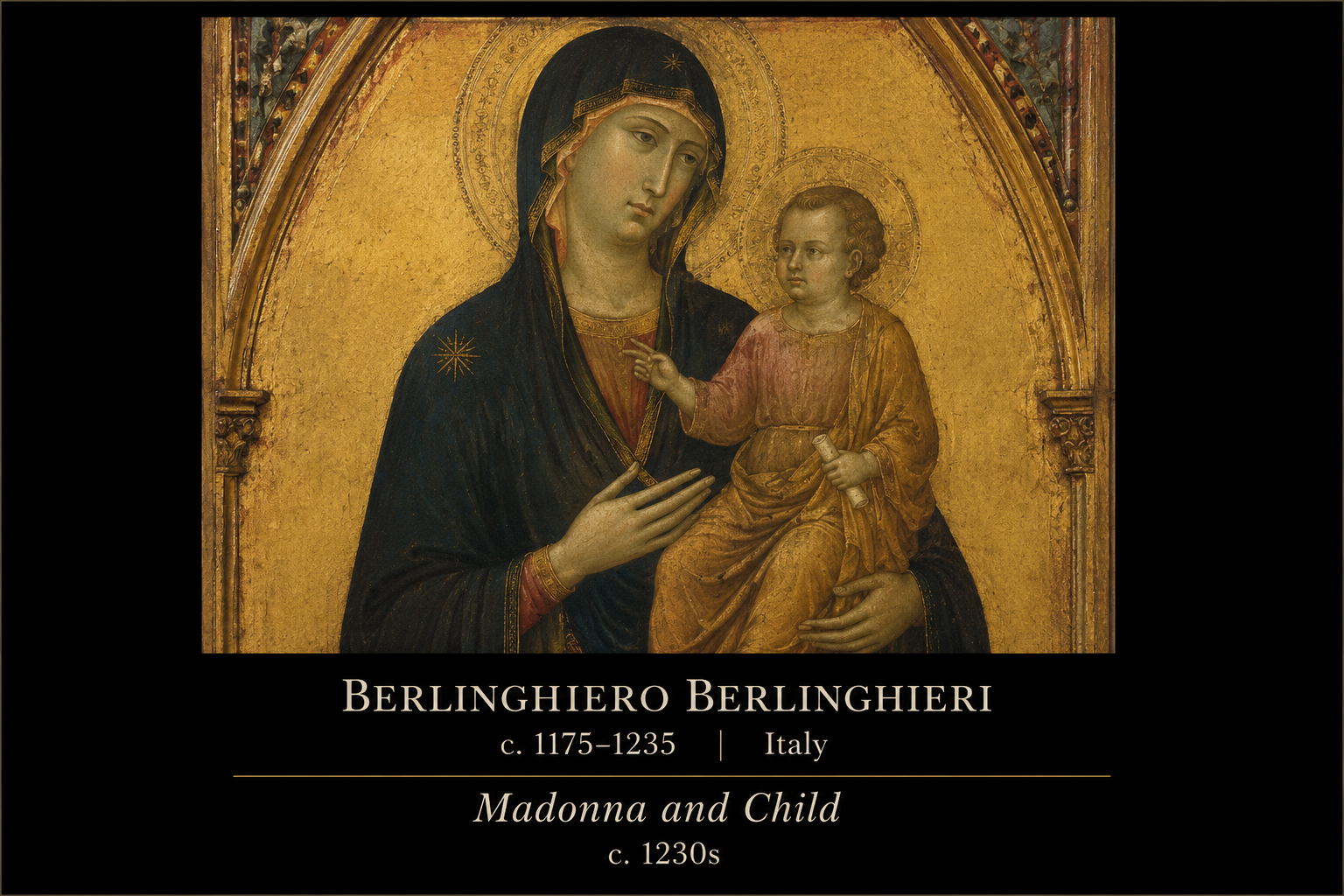
Born in Lucca, Tuscany, Berlinghiero was one of the leading Italian painters of the early 13th century. Working in the Byzantine tradition, he ran an influential family workshop with his sons. His work represents the formal, stylised tradition that Italian painters such as Cimabue and Giotto would soon begin to transform.
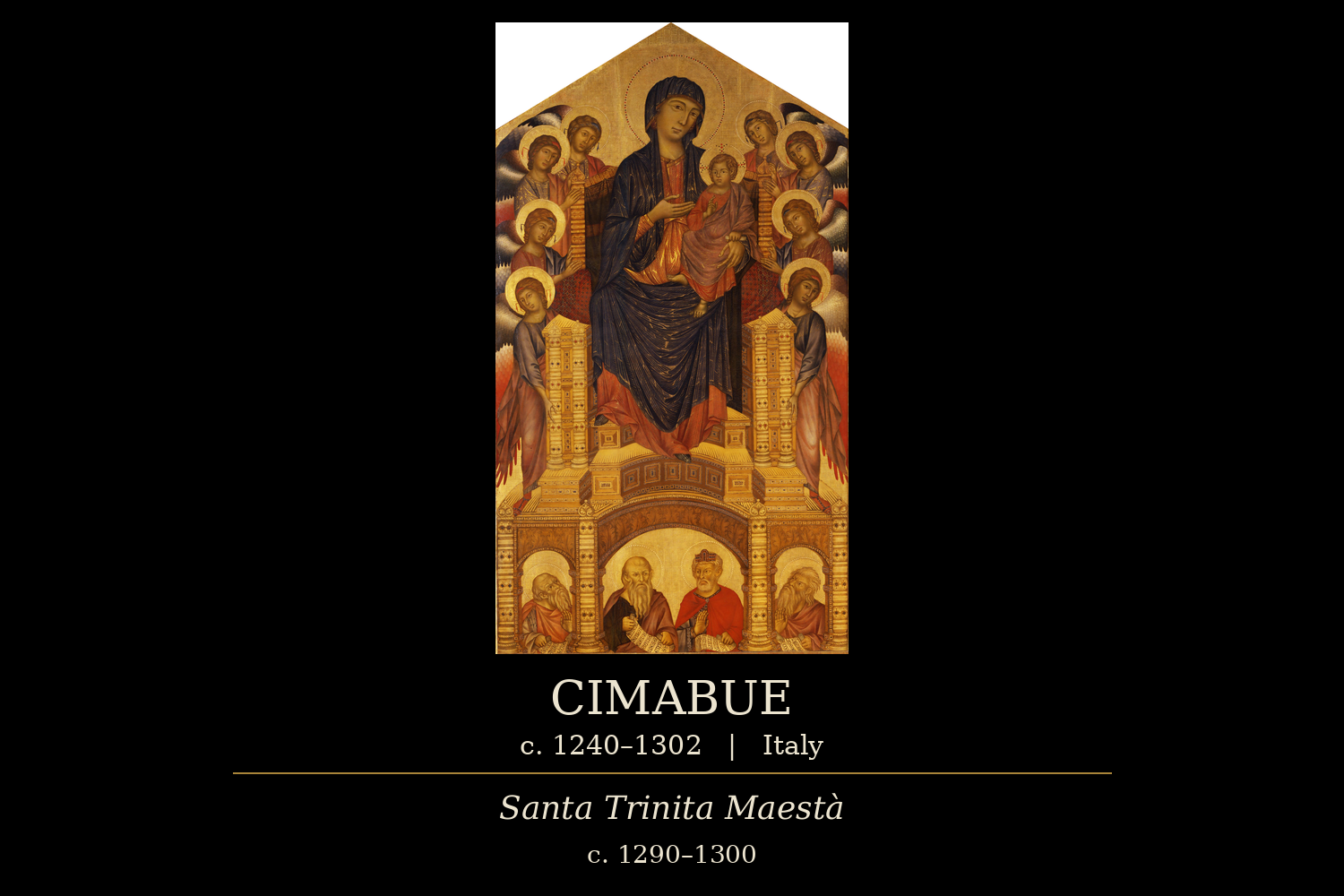
Cimabue was from Florence and became one of the leading Italian painters of the late 13th century. Still rooted in Byzantine tradition, he began giving figures more weight, depth and humanity. His Santa Trinita Maestà shows this shift clearly, and he is often seen as the crucial link between medieval painting and Giotto.
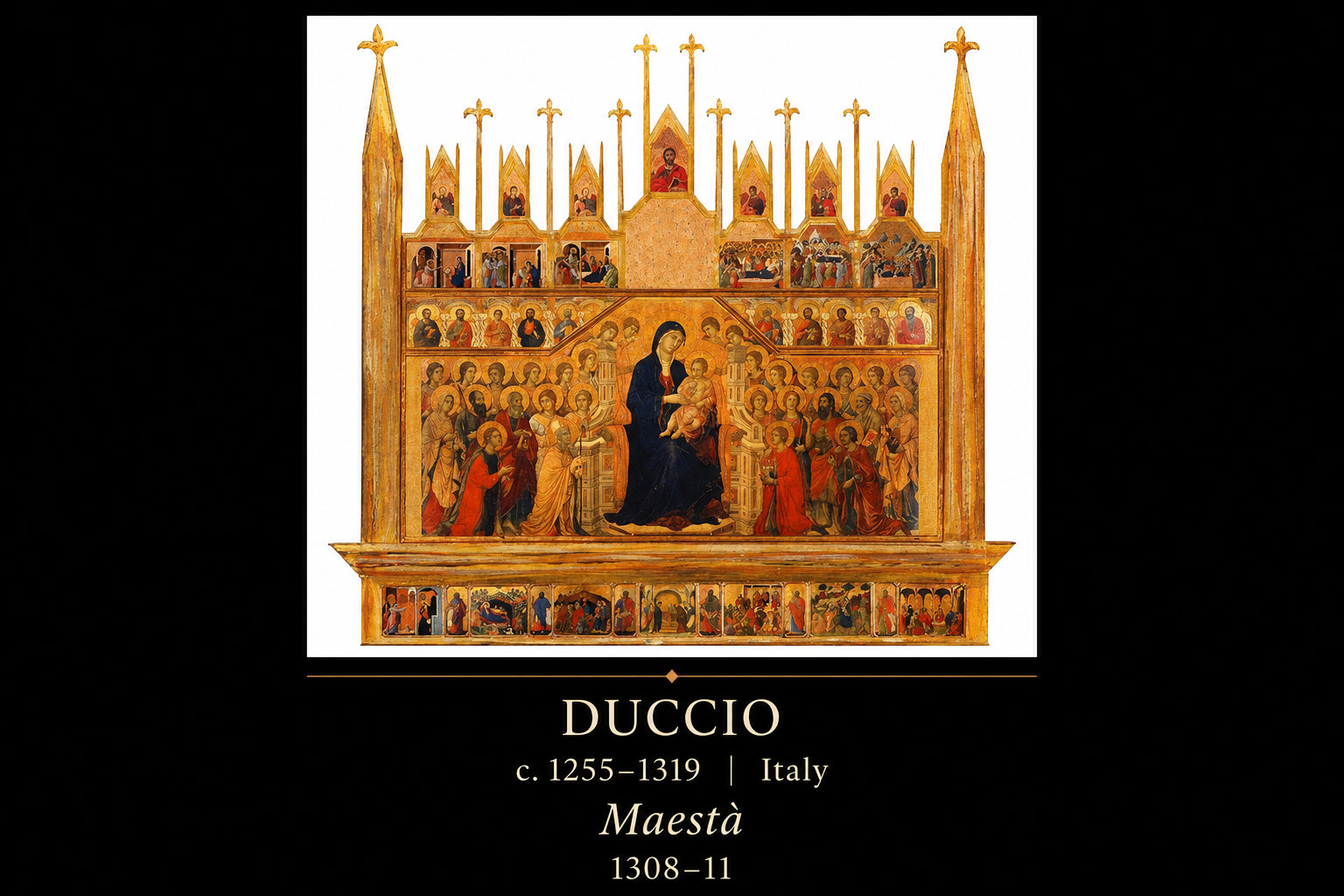
Duccio di Buoninsegna was from Siena, where he became the leading painter of the Sienese school around 1300. His work kept the gold, elegance and refinement of Byzantine art, but introduced more natural gestures, emotion and believable interaction. His great masterpiece, the Maestà, was completed for Siena Cathedral in 1311.
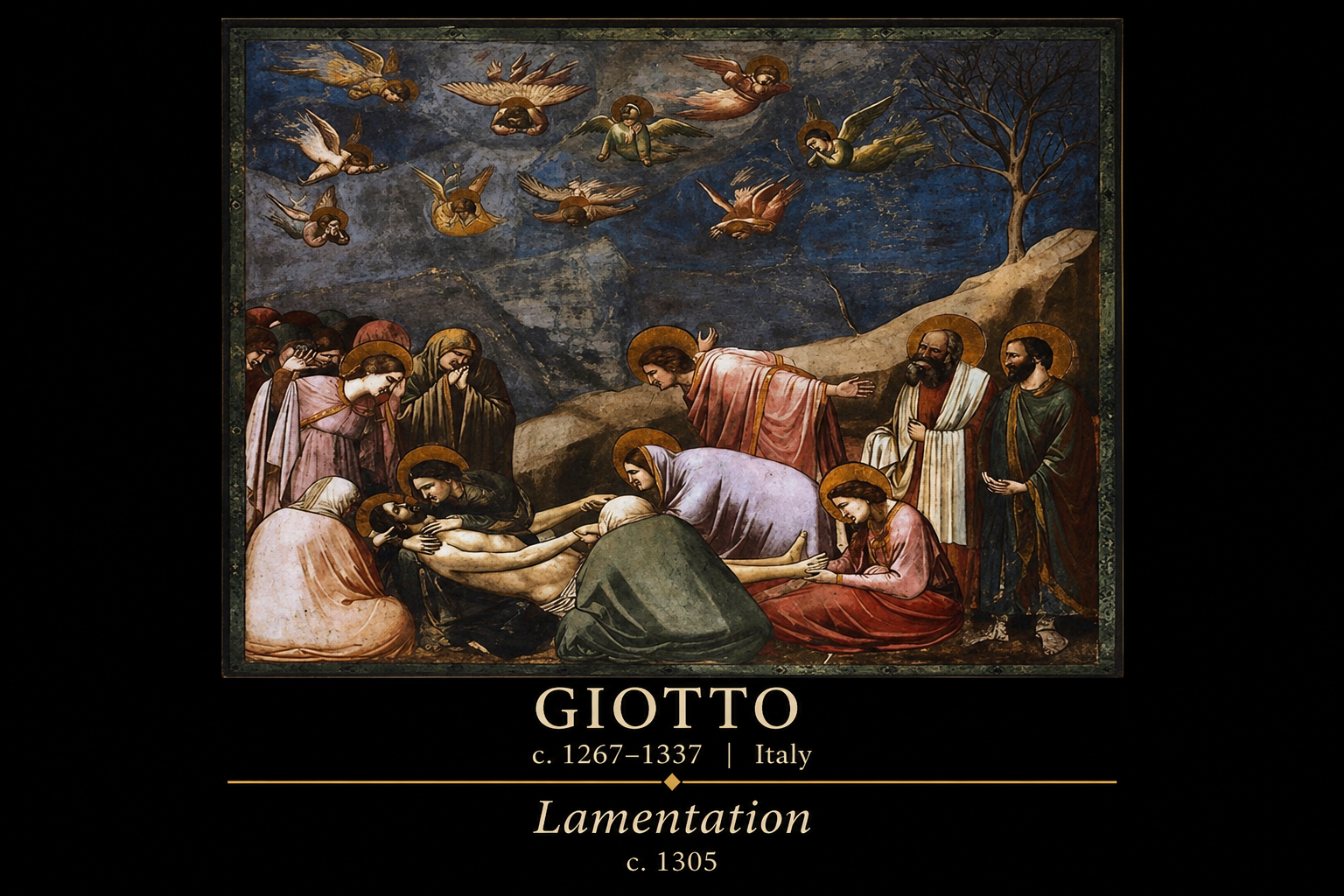
Giotto di Bondone was from near Florence and became one of the great turning points in Western painting. He gave figures real weight, emotion and physical presence, replacing much of the flat formality of medieval art with believable space and human drama. His frescoes in Padua’s Scrovegni Chapel made him a true game changer.
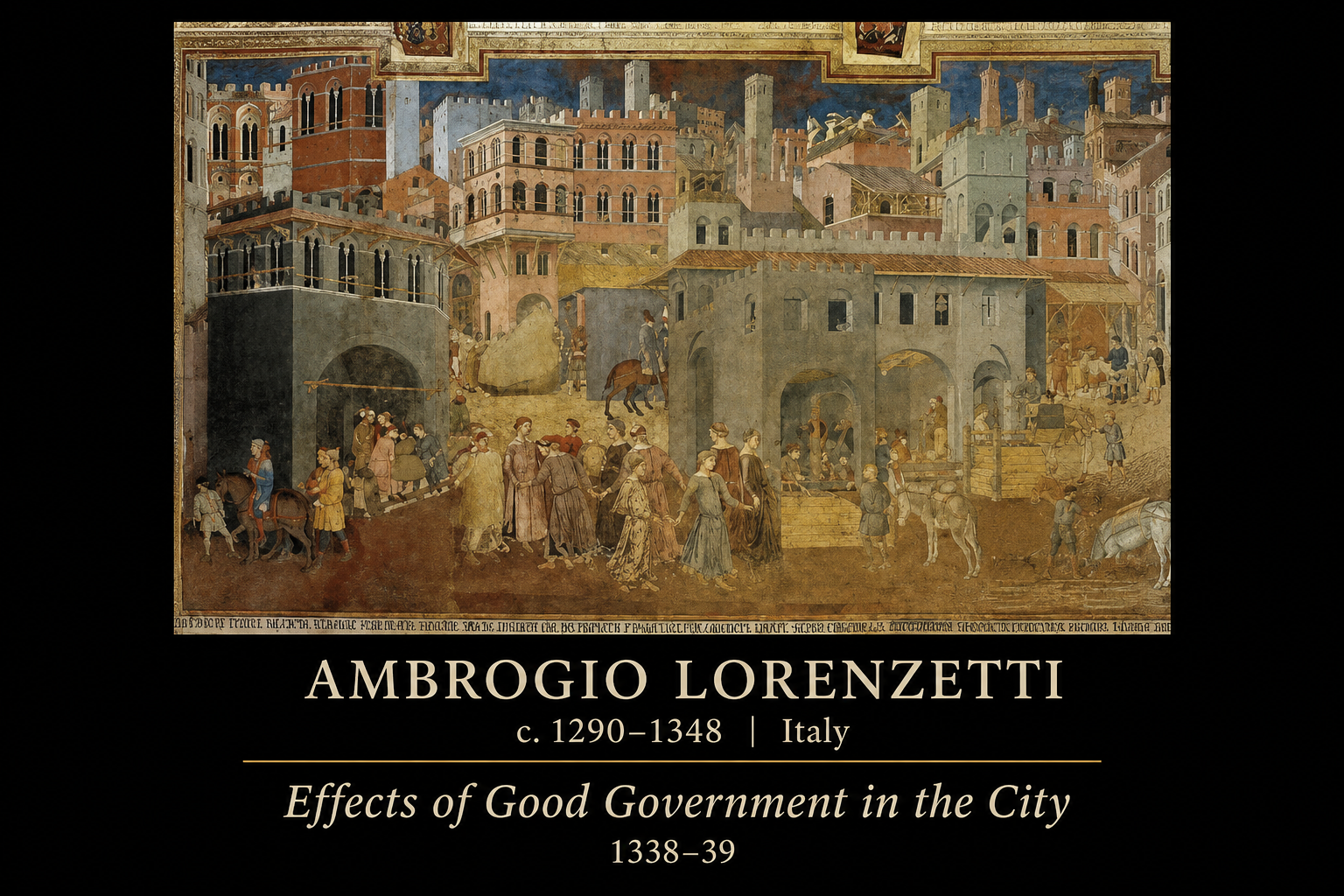
Ambrogio Lorenzetti was from Siena and became one of the most original painters of the 14th century. He combined Sienese elegance with unusually convincing space, architecture and everyday life. His great fresco cycle, The Allegory of Good and Bad Government, is remarkable for turning civic politics into ambitious, almost panoramic painting.
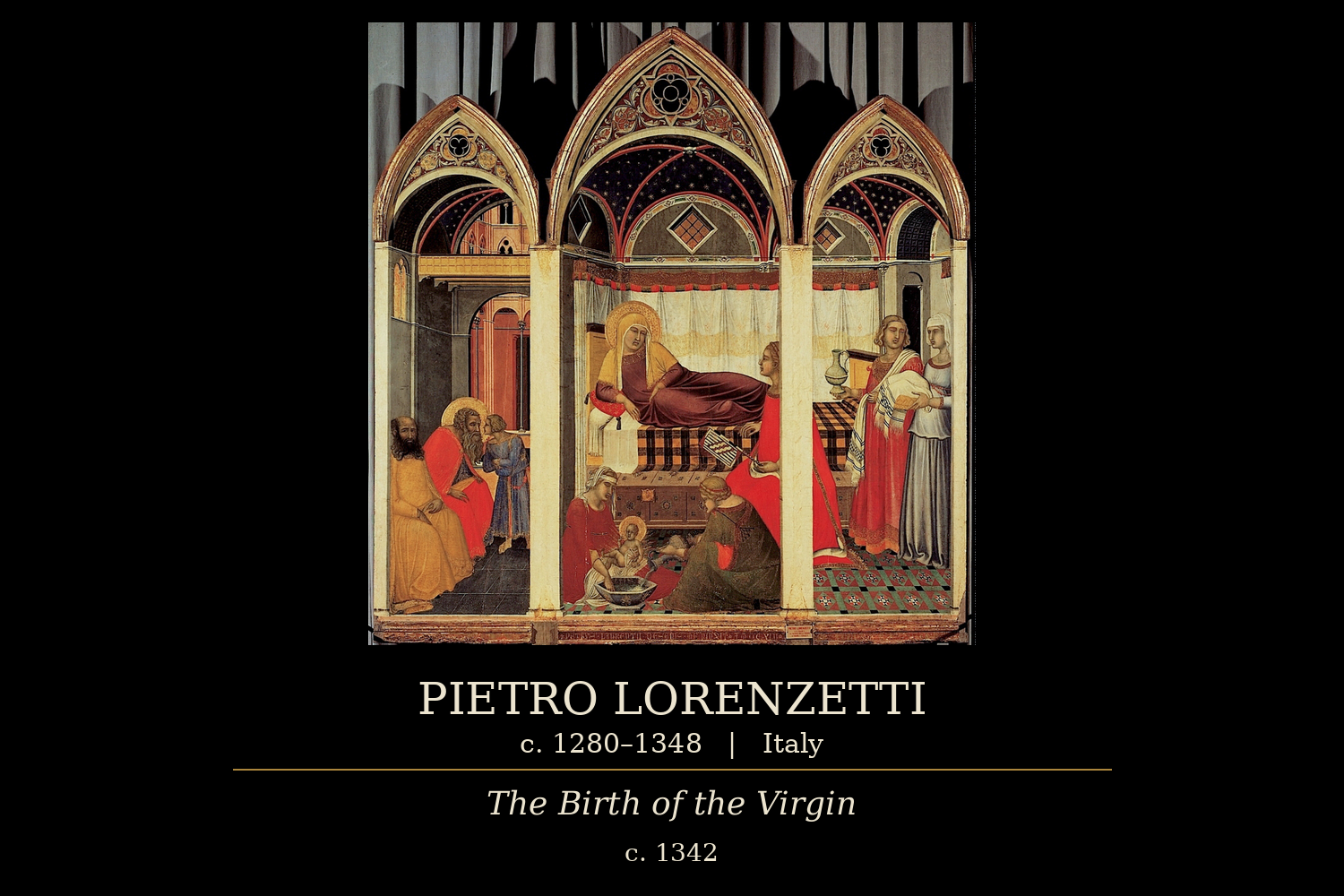
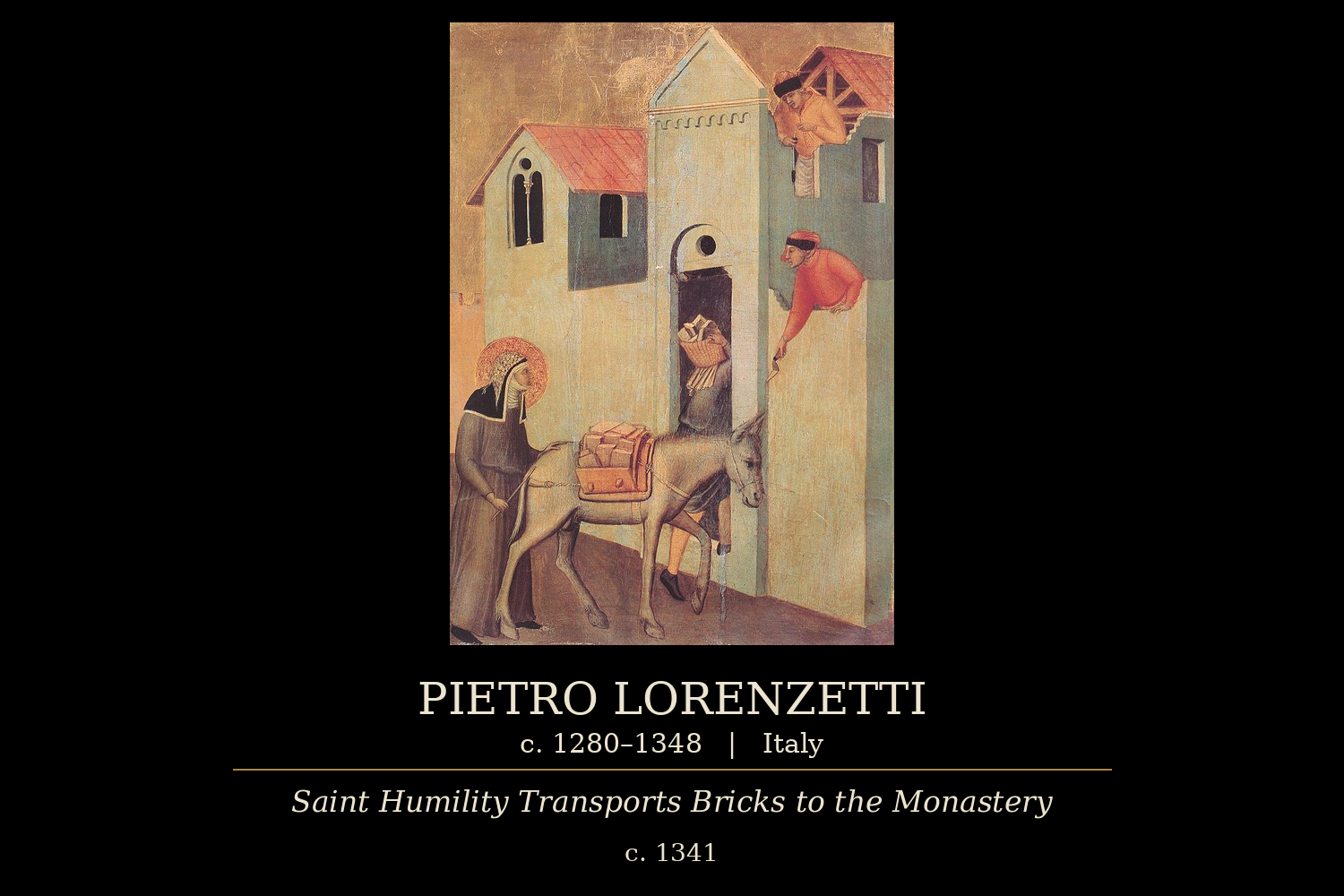
Pietro Lorenzetti was from Siena and, like his brother Ambrogio, helped push Sienese painting towards greater realism and storytelling. His figures feel solid and expressive, while his interiors and architecture often have a wonderfully clean, convincing structure. His Birth of the Virgin is a major work — though the donkey scene may be rather harder to forget.
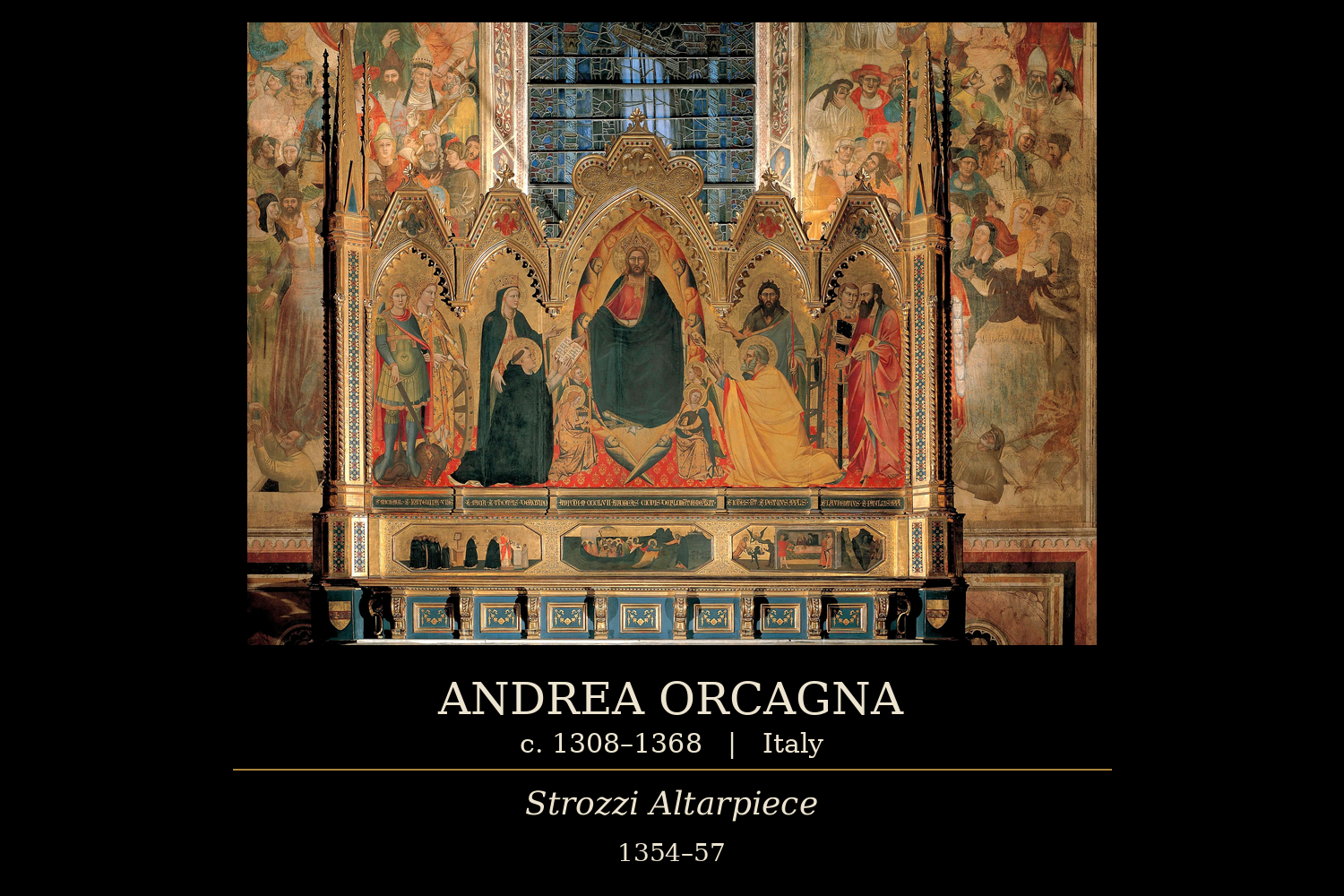
Andrea Orcagna was from Florence and became one of the city’s leading painters, sculptors and architects in the mid-14th century. His work is generally more formal and severe than Giotto’s, with strong symmetry, rich gold and imposing religious figures. His Strozzi Altarpiece is his best-known surviving painting.
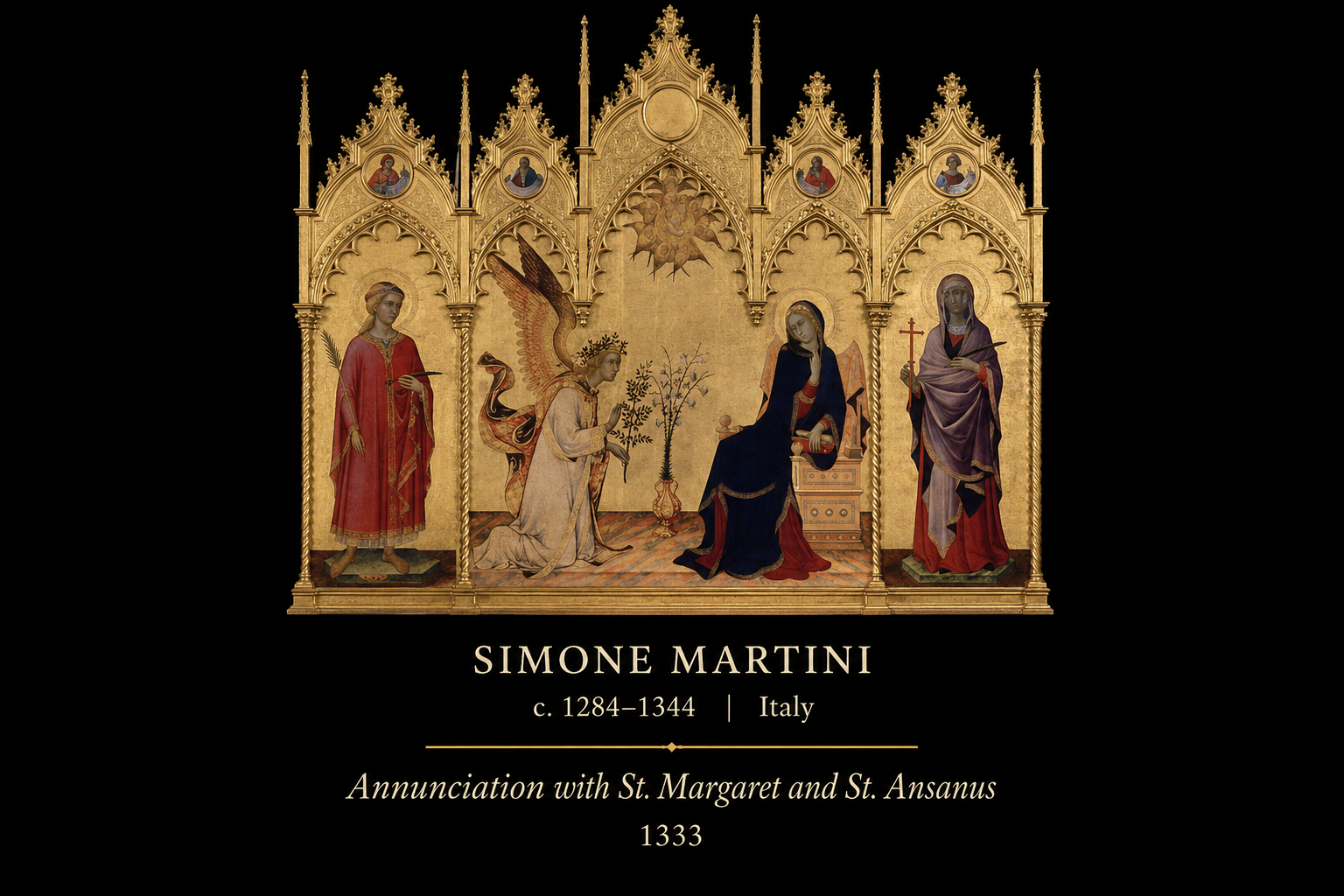
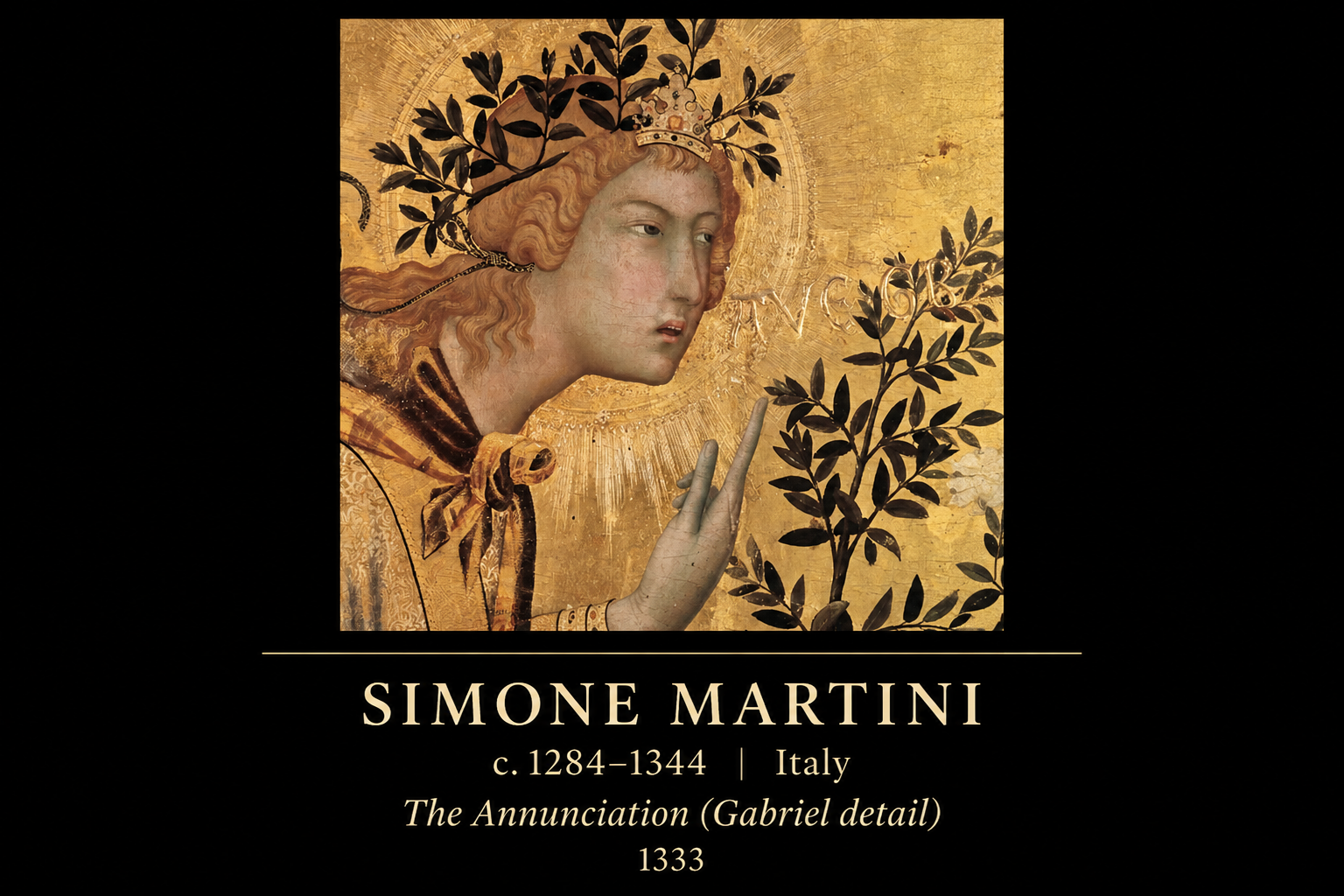
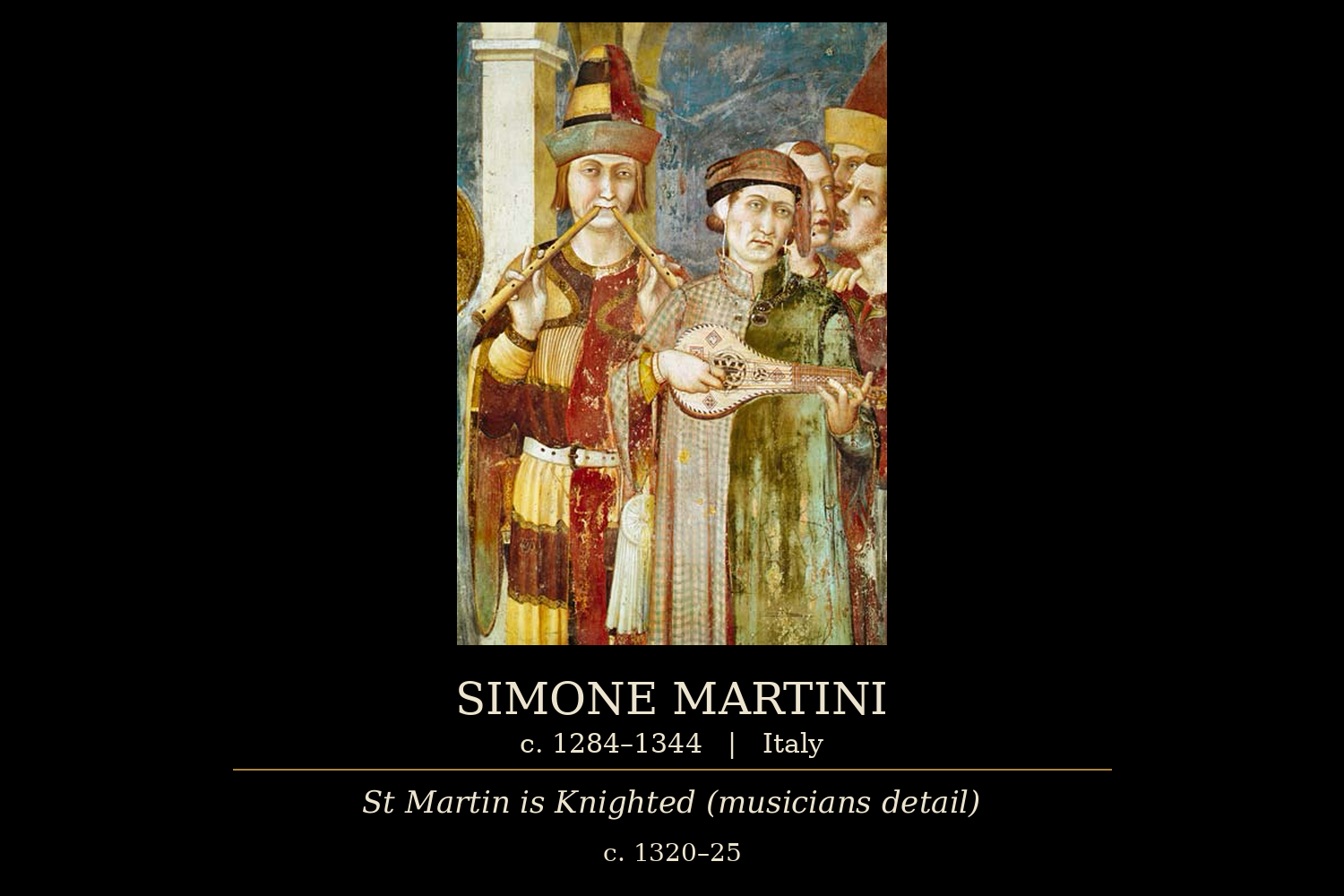
Simone Martini was from Siena and became one of the great masters of elegant Sienese painting. His work is refined, decorative and full of expressive faces, with exquisite line and rich colour. His Annunciation of 1333 is his masterpiece — although for us, his real legacy may be medieval side-eye and deeply fed-up musicians.
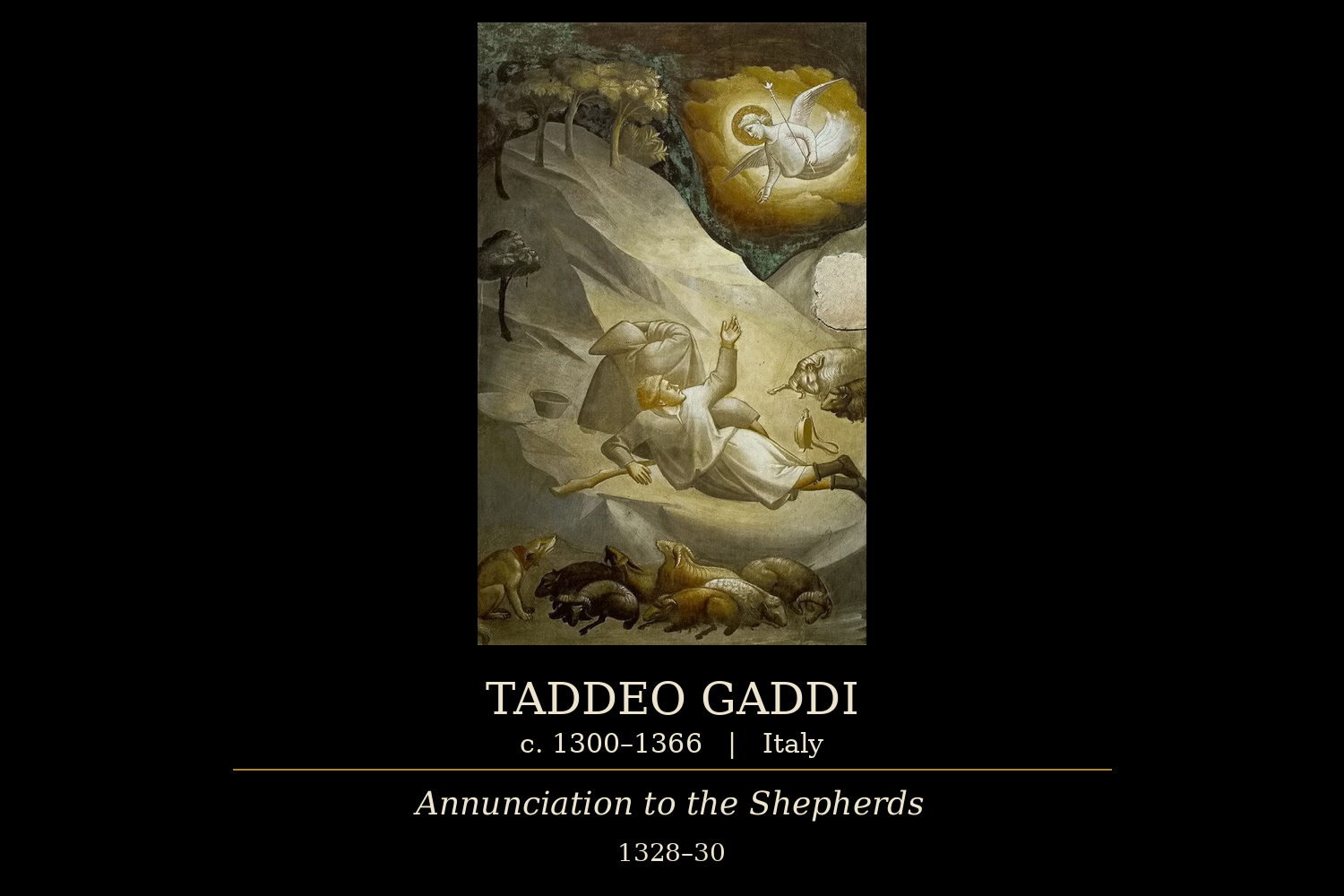
Taddeo Gaddi was from Florence and became Giotto’s most important pupil, working closely in the new naturalistic style his master had pioneered. He was especially skilled with light and atmosphere: his Annunciation to the Shepherds is remarkable for its dramatic night scene, with the angel itself appearing to illuminate the landscape.
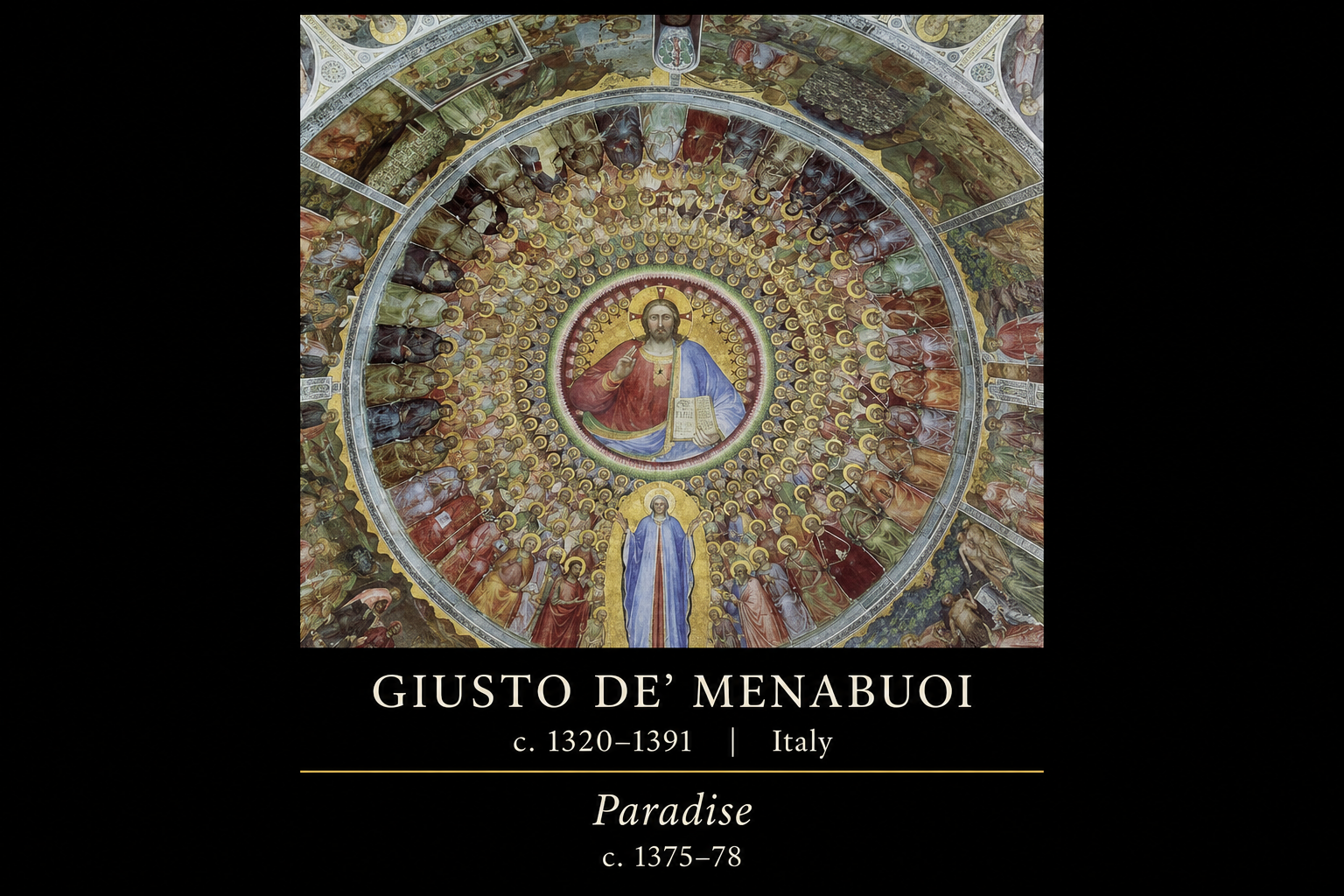
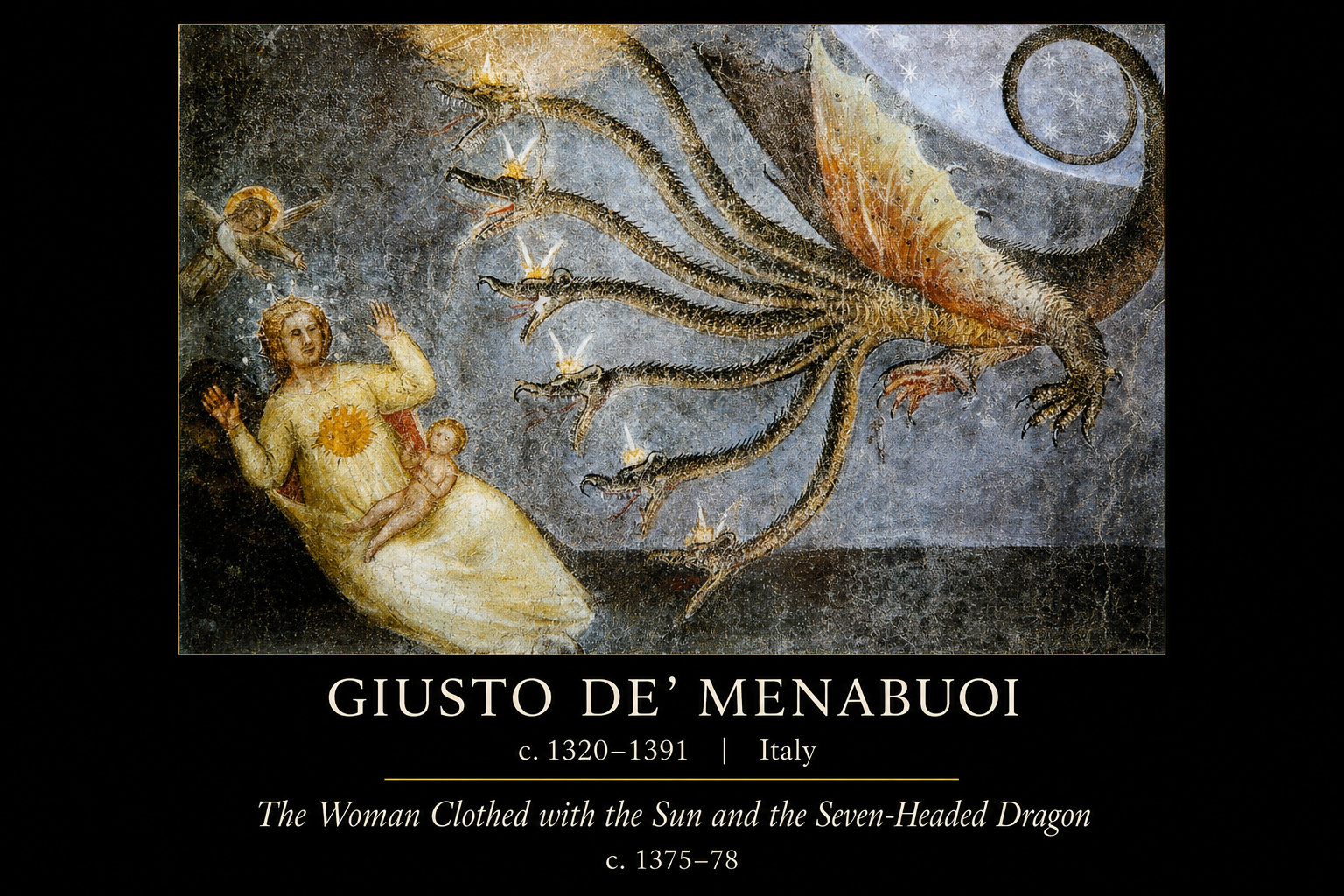
Giusto de’ Menabuoi was probably from Florence but made his name in northern Italy, especially Padua. His vast fresco cycle in the Padua Baptistery is his masterpiece, with Paradise in the dome creating a spectacular vision of Christ surrounded by concentric ranks of saints and angels.
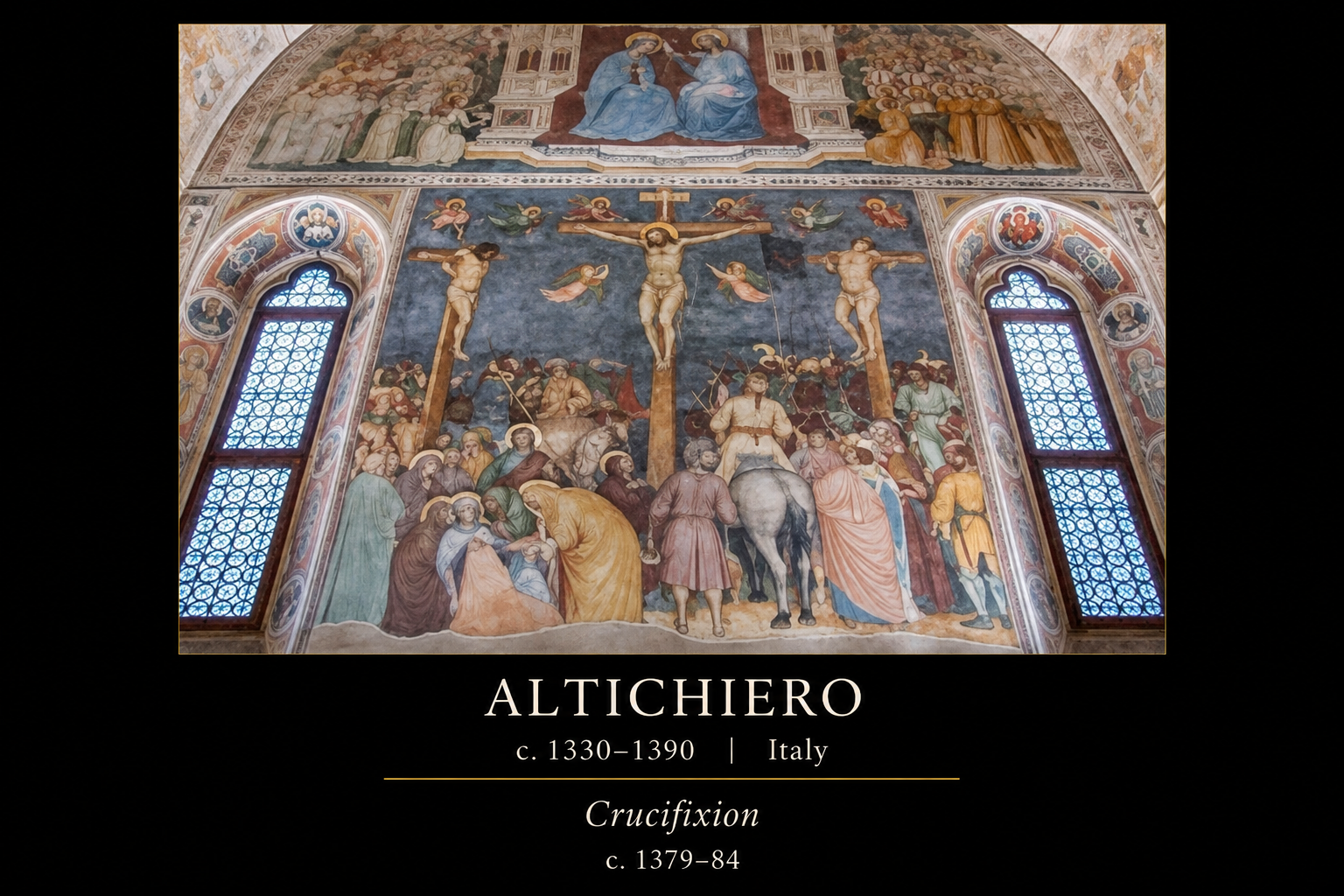
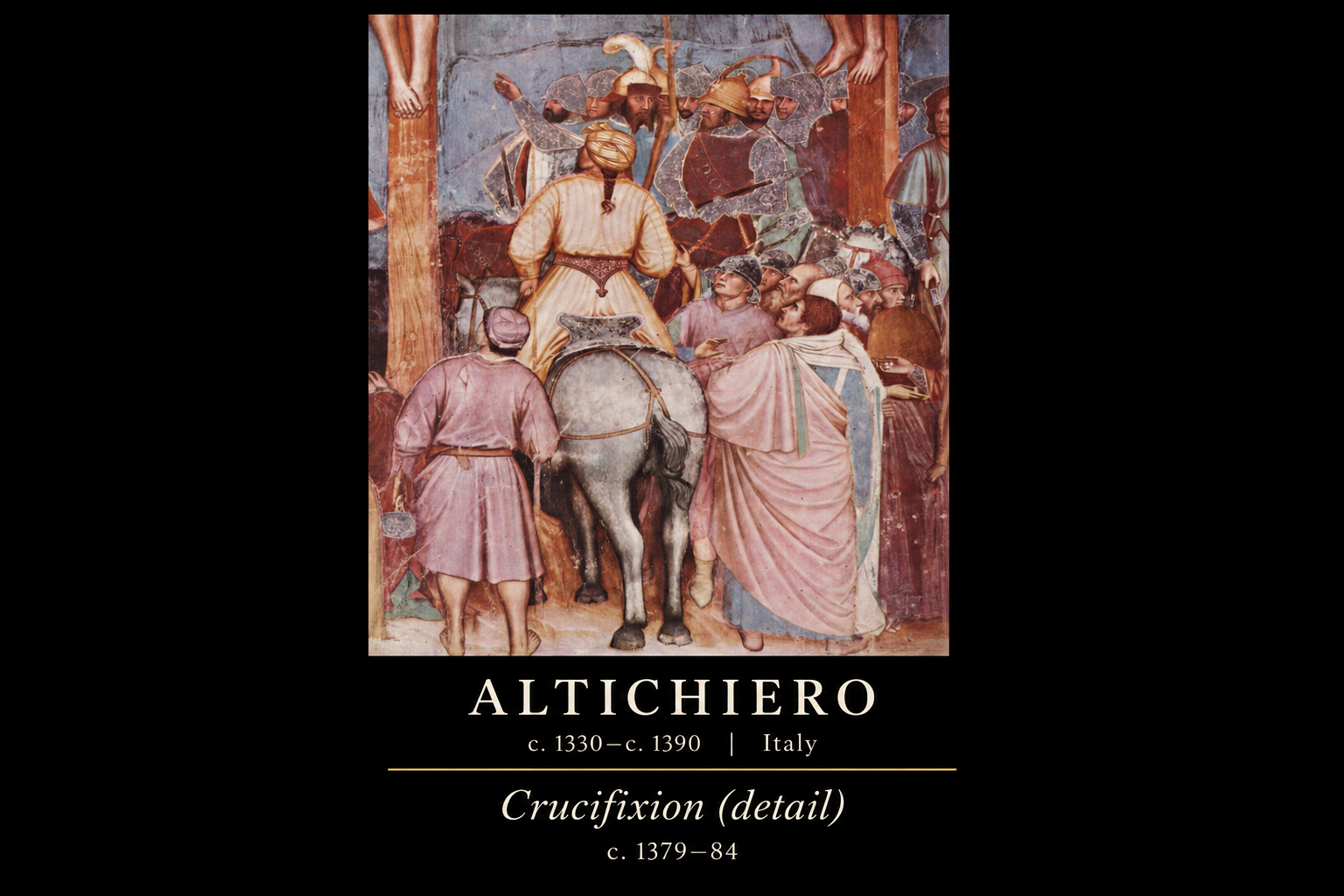
Altichiero was from the Verona area and became one of the leading painters of northern Italy in the late 14th century. Influenced by Giotto, he pushed further towards believable space, solid figures and crowded narrative scenes. His frescoes in Padua are his best-known works — horse’s arse included.
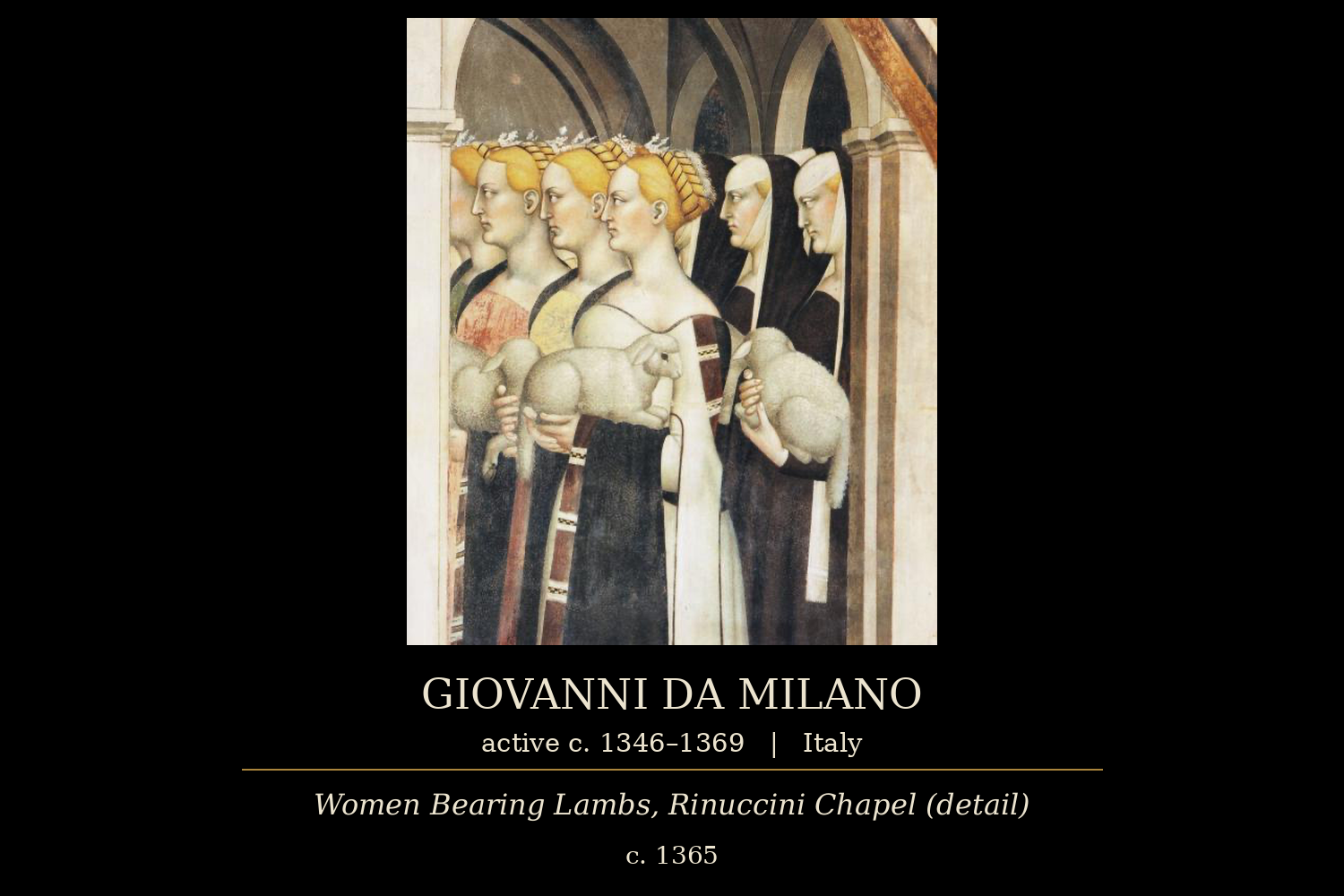
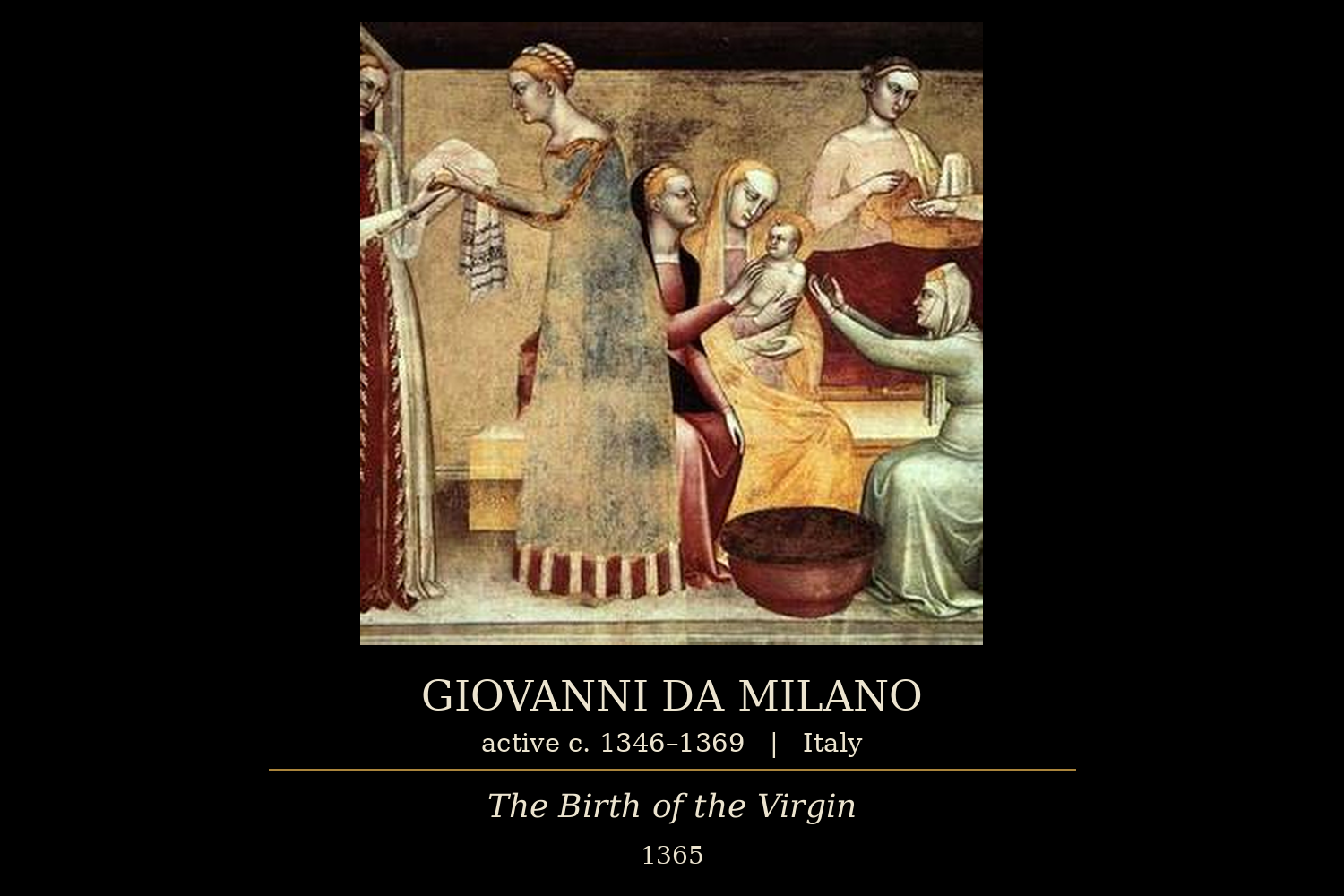
Giovanni da Milano was probably from Lombardy and became an important figure in Florentine painting during the mid-14th century. His work has a sharper, more individual character than much contemporary religious art, with strong faces, solid figures and a slightly austere realism. His Rinuccini Chapel frescoes are his best-known works.